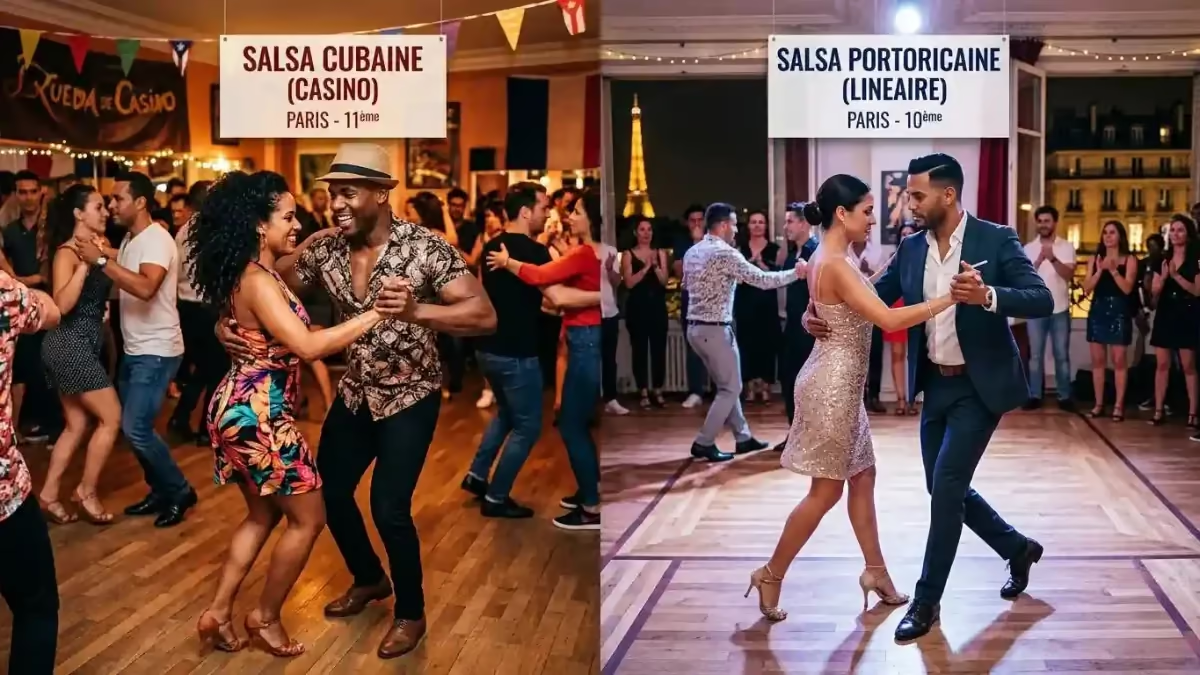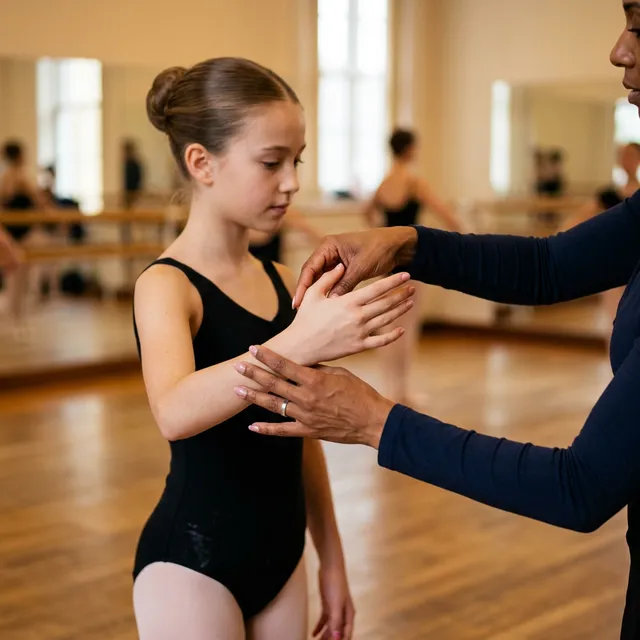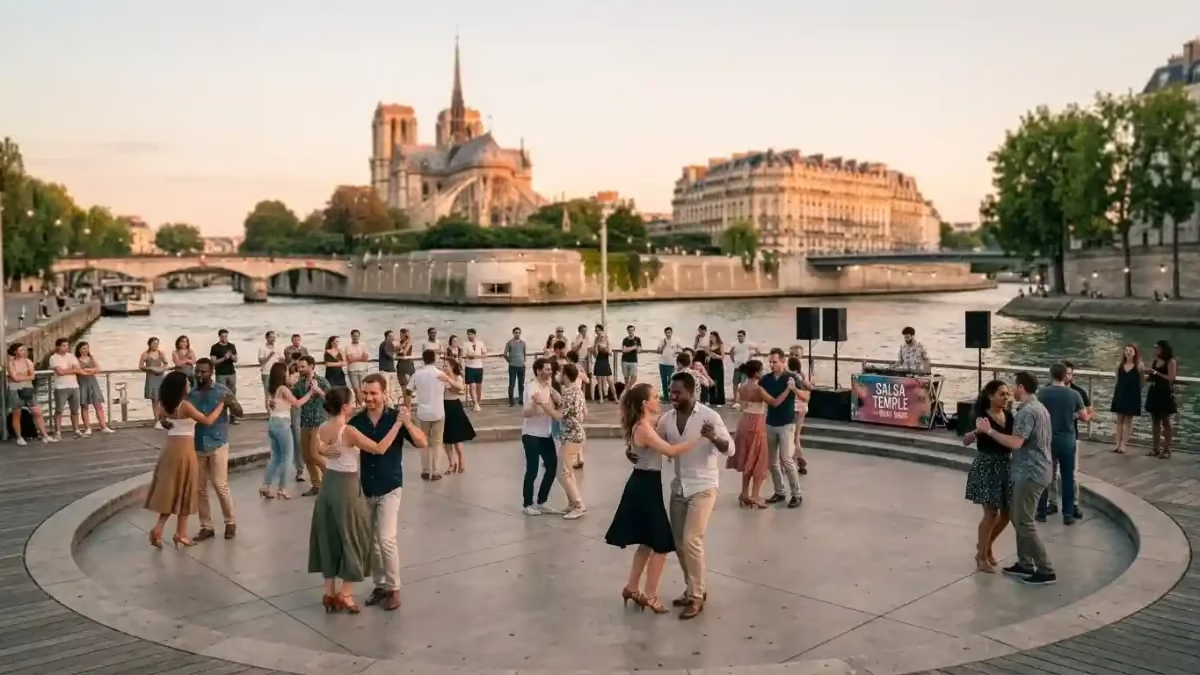

Dance is far more than a simple artistic or recreational activity. This age-old practice, present in every culture in the world, turns out to be one of the most complete exercises for our physical and mental health. Whether you practise salsa, ballet, contemporary dance or even Zumba, moving to music brings scientifically proven benefits that touch every aspect of our well-being.
The physical benefits of dance
Improved cardiovascular health
Dancing regularly is an excellent aerobic exercise that strengthens the heart and improves blood circulation. Like running or cycling, dance raises your heart rate, which helps reduce the risk of cardiovascular disease, high blood pressure and strokes. An intense dance session can burn between 200 and 400 calories per hour, depending on the style practised and the intensity of the effort.
Dynamic dance styles such as salsa, rock, African dance or hip-hop are particularly demanding on the cardiovascular system. By practising these dances several times a week, you gradually improve your endurance and your respiratory capacity, while lowering your blood pressure.
Muscle strengthening and body toning
Unlike many sports that target specific muscle groups, dance engages the entire body harmoniously. The legs, arms, trunk, abdominals and even the deep muscles work in synergy to execute movements, create balances and hold postures.
Ballet, for example, develops long, slender muscles while considerably strengthening the legs and core. Contemporary dance improves flexibility and functional strength. Latin dances particularly tone the hips, glutes and legs. This global engagement helps sculpt the figure harmoniously without creating muscular imbalances.
Improved balance and coordination
Dance requires precise coordination between the body's movements and the musical rhythm. This regular practice significantly improves balance, proprioception and motor coordination. These skills become particularly important as we age, as they considerably reduce the risk of falls, one of the main causes of injury among older people.
Studies have shown that people who dance regularly display better postural control and an increased ability to react quickly to loss of balance. This improvement in stability also translates into a more confident gait in daily life.
Increased flexibility and joint mobility
The wide and varied movements of dance naturally stretch the muscles and maintain the suppleness of the joints. This increased flexibility reduces the risk of injury, lessens muscle pain and improves overall posture. Dance also helps prevent age-related joint stiffness and maintains an optimal range of movement.
Whether you practise styles requiring great suppleness such as classical or contemporary dance, or more accessible dances such as ballroom dancing, you continually work on your flexibility in a progressive and natural way.
Strengthening bone density
Dance, as a moderate-impact activity, contributes to strengthening bone density. The repeated impacts of the feet on the floor, the jumps and the changes of direction stimulate bone formation and help prevent osteoporosis. This characteristic makes dance a particularly beneficial exercise for post-menopausal women, a period when the risk of osteoporosis increases significantly.
The mental and cognitive benefits of dance
Improved memory and cognitive functions
Learning and memorising choreographies intensely stimulates the brain. Dancers must remember complex sequences of movements, anticipate transitions and coordinate their actions with the music and sometimes with partners. This mental gymnastics improves memory, concentration and learning abilities.
Research has shown that dance can slow age-related cognitive decline and reduce the risk of dementia. A famous study revealed that dance was the most effective physical activity for reducing the risk of Alzheimer's disease, even surpassing activities such as reading or crosswords.
Reducing stress and anxiety
Dancing releases endorphins, those feel-good hormones that provide a natural sensation of happiness and relaxation. The combination of physical exercise, emotional expression through movement and connection to the music creates a powerful anti-stress effect.
Dance also offers a moment of mental disconnection where you focus solely on the present moment, on your body and on the music. This form of meditation in motion helps release accumulated tension and reduce levels of cortisol, the stress hormone.
Improved mood and fighting depression
Many studies have documented the positive effects of dance on mood and depressive symptoms. Physical activity combined with the creative and social aspect of dance creates a particularly effective therapeutic cocktail against depression.
Dance allows the expression of emotions that are difficult to put into words, thus offering a healthy outlet for repressed feelings. It also strengthens self-esteem by allowing you to rise to challenges, to progress and to feel the pride of mastering new choreographies.
Stimulating creativity
Whether you take structured classes or let yourself go with improvisation, dance stimulates your creativity. Creating or interpreting movements, playing with space and rhythm, experimenting with different ways of moving, all of this activates the brain's creative centres and develops your ability to think in innovative ways.
This creative stimulation often transfers to other areas of life, improving the ability to solve problems and to consider situations from different angles.
The social and emotional benefits of dance
Strengthening social bonds
Dance classes and dance events create natural opportunities to meet people and build social bonds. Sharing a common passion, learning together, supporting each other through progress, all of this creates a sense of belonging and community.
For introverted people or those who find it hard to build social relationships, dance offers a structured and non-threatening framework for interacting with others. Communication happens as much through movement as through words, which can facilitate authentic connections.
Increased self-confidence
Mastering new movements, overcoming initial shyness, performing in front of other people, all these challenges met gradually build self-confidence. Dance allows you to develop a positive relationship with your body, to appreciate what it can accomplish rather than focusing on its appearance.
This confidence gained on the dance floor often carries over into daily life, improving posture, gestures and general assurance in social interactions.
Developing emotional intelligence
Dance, as a body language, develops the ability to understand and express emotions. Dancers learn to interpret the emotional nuances of music and translate them into movement, which refines their emotional sensitivity.
In couple dances, this emotional intelligence is also expressed through the ability to sense the partner's intentions, to adapt to their energy and to create a harmonious non-verbal connection.
In couple dances, this emotional intelligence is also expressed through the ability to sense the partner's intentions, to adapt to their energy and to create a harmonious non-verbal connection.
Dance for children and teenagers
For young people, dance offers a multitude of developmental benefits. It improves body awareness, develops discipline and perseverance, strengthens self-confidence and offers a healthy outlet for overflowing energy.
Children who dance also develop important social skills such as teamwork, respect for others and emotion management. Dance is also a positive alternative to excessive screen time and encourages an active lifestyle from a very young age.
Dance for adults
For adults, dance is a complete physical activity that can easily fit into a busy schedule. It offers a welcome break from daily stress, maintains physical fitness and prevents many health problems linked to a sedentary lifestyle.
Dance is also an opportunity to step out of your comfort zone, to keep learning and to keep your brain active, which is essential for healthy ageing.
Dance for seniors
For older people, dance offers particularly precious benefits. It maintains mobility, prevents falls, stimulates cognitive functions and combats social isolation, a major problem among seniors.
Adapted dance styles such as ballroom dancing, dance therapy or even chair dancing allow seniors to enjoy the benefits of dance whatever their level of mobility. These practices have demonstrated their effectiveness in improving the quality of life and independence of older people.
How to start dancing for your health
Choosing the right dance style
There is no universally best dance style for health. The best choice depends on your personal preferences, your current physical condition and your goals. If you're looking for intense cardiovascular exercise, opt for Zumba, salsa or hip-hop. To improve your posture and grace, ballet or contemporary dance are more suitable. If you prefer a social activity, ballroom dances are ideal.
The key is to choose a style you genuinely enjoy, because you'll then be more motivated to practise regularly. Don't hesitate to try several styles before deciding.
Starting gradually
As with any physical activity, it's important to start gradually, especially if you've been sedentary for a long time. Begin with beginner classes, listen to your body and don't try to reproduce complex movements straight away.
Regularity is more important than initial intensity. It's better to dance 30 minutes twice a week than to do one intense hour-long session once a month.
Finding the right resources
Today, there are many ways to learn to dance. Studio classes offer the advantage of professional guidance and social interaction. Online tutorials let you practise at your own pace at home. Dance apps offer structured and playful programmes.
For absolute beginners or people with particular medical conditions, it's recommended to start with classes led by a qualified instructor who can correct your posture and adapt the movements to your abilities.
Fitting dance into your routine
To fully benefit from the health advantages of dance, aim for at least 150 minutes of moderate activity per week, as recommended by health organisations. This can be three one-hour classes per week, or shorter daily sessions.
You can also incorporate dance informally into your daily life by dancing at home to your favourite music, taking part in dance events or making the most of any opportunity to move to the music.
Precautions and safety tips
Although dance is generally a safe activity, certain precautions are important. Always warm up before dancing to prepare your muscles and joints. Wear shoes suited to the dance style practised. Stay hydrated regularly, especially during intense sessions.
If you have existing health problems, injuries or if you are pregnant, consult your doctor before starting a new physical activity. Inform your dance instructor of any particular condition so they can adapt the exercises.
Listen to your body and respect your limits. A slight ache after a session is normal, but sharp or persistent pain requires consulting a health professional.
Conclusion: dance, a health investment for life
Dance is far more than a simple pastime or a form of exercise. It is a holistic practice that simultaneously nourishes the body, the mind and the soul. From cardiovascular benefits to cognitive improvement, from stress reduction to the strengthening of social bonds, dance offers an incomparable range of health advantages.
Accessible to all ages and all levels of physical condition, dance can adapt to your needs and evolve with you throughout your life. Whether you choose to take structured classes or simply to dance freely in your living room, every movement contributes to your overall well-being.
So don't wait any longer to bring dance into your life. Find the style that inspires you, let the music carry you and discover how this ancestral activity can transform your health and your happiness every day. Your body and your mind will thank you.