
Why Are Dance Shoes So Important?
Contrary to popular belief, it isn't enough to wear just any pair of shoes to dance. Dance shoes are specifically designed to meet the biomechanical and technical demands of this demanding artistic practice.
The Impact on Performance
A suitable dance shoe optimises your technique by allowing a better feel for the floor, controlled grip and maximum freedom of movement. The soles are engineered to make pivots, glides and sharp stops easier according to the needs of each discipline. A salsa dancer won't look for the same grip as a hip-hop dancer, which is why it's so important to choose a model specific to your practice.
Injury Prevention
Wearing unsuitable shoes exposes your feet, ankles, knees and back to significant risks. Tendinitis, sprains, plantar fasciitis and other conditions are often the direct consequence of poor equipment. Dance shoes provide precise anatomical support, appropriate shock absorption and the stability needed to protect your body during the repetitive and sometimes abrupt movements of dance.
Comfort During Practice
Dancing for several hours in uncomfortable shoes quickly turns pleasure into torment. Blisters, pressure points and foot pain compromise not only your well-being but also your concentration and your ability to progress technically.
The Essential Criteria for Choosing Your Dance Shoes
Size and Fit
Choosing the size is the first fundamental step in acquiring dance shoes. Unlike everyday shoes, dance shoes must fit the foot perfectly without creating areas of excessive friction or leaving too much free space.
Expert Tip
Always try your shoes on at the end of the day, when your feet are slightly swollen, and wear the same socks or tights you'll use to dance. Test them by performing a few basic dance steps to check they don't slip and don't compress your toes.
For heeled shoes, go for a size where your toes touch the end of the shoe without being curled up. Too much space will cause slipping and blisters, while a shoe that's too tight will restrict blood circulation and create unbearable pain.
The Type of Sole
The sole is the most important technical element of the dance shoe. It determines your ability to glide, pivot, or on the contrary to grip the floor according to the needs of your discipline.
Leather Soles
Leather soles are the traditional choice for ballroom dancing, tango and Latin dances. They offer controlled gliding, perfect for pivots and fluid movements while maintaining a certain grip. Leather gradually adapts to your foot and to the type of floor you frequent most often.
Suede Soles
Suede provides more grip than smooth leather, ideal for beginner dancers who need more stability. This material requires regular maintenance with a specific brush to keep its grip properties optimal.
Rubber Soles
Favoured for jazz, hip-hop and urban dances, rubber soles offer excellent grip and great durability. They allow explosive movements and clean stops while effectively absorbing impacts.
Heel Height and Type
The heel radically changes your posture, your balance and the distribution of your weight on the foot. Its choice must be carefully considered based on your level, your body type and your dance style.
Heel HeightCharacteristicsRecommended For2-3 cmMaximum comfort, optimal stabilityBeginners, standard ballroom dancing5-7 cmBalance between elegance and comfortIntermediate level, Latin dances8-10 cmMaximum aesthetics, advanced technique requiredExperienced dancers, competitions
Heels can come in different shapes: flare, slim, Cuban, or stiletto. Flare heels offer more stability, while slim heels create more elegant lines but demand better balance.
Materials and Breathability
The choice of materials directly affects the thermal comfort and durability of your shoes. Genuine leather remains the benchmark material thanks to its ability to breathe, to adapt to the shape of the foot and to withstand wear. Satin adds a touch of elegance for competitions but proves more fragile and less breathable.
Modern synthetic materials now offer excellent performance at more affordable prices. Certain technical fabrics effectively wick away perspiration while maintaining a stable structure.
The Fastening System
The way the shoe fastens determines its ability to hold your foot securely during dynamic movements. Adjustable straps allow personalised fitting and ensure the shoe stays snug against the foot during quick pivots. Elastics offer flexibility and comfort but can loosen over time. Laces guarantee the best hold but take more time to put on.
Choosing Your Shoes According to Your Dance Style
Ballroom and Standard Dances
Ballroom dances include the waltz, tango, foxtrot and quickstep. These disciplines require closed shoes for men and strapped court shoes for women. The heel of women's shoes generally measures between three and six centimetres to optimise movement without compromising stability.
Leather soles allow the gliding essential to these dances while maintaining enough control for changes of direction. The flexibility of the sole at the arch is crucial for correctly executing rises onto demi-pointe.
Latin Dances
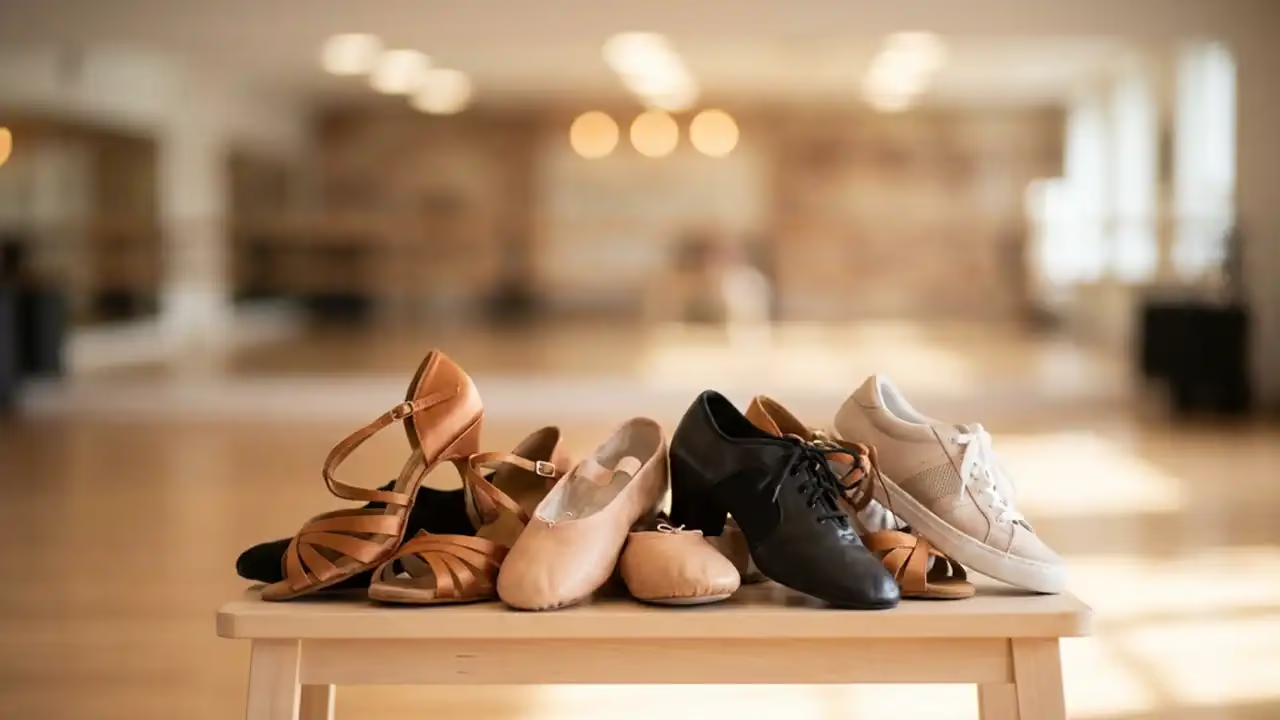
Salsa, bachata, cha-cha, rumba and samba require open or semi-open shoes with higher heels, generally between six and nine centimetres for women. These disciplines emphasise hip movements and quick turns, requiring an excellent connection with the floor.
The Specificity of Latin Shoes
Latin shoes stand out with a split sole that allows better flexion of the foot and facilitates work on demi-pointe. The cross straps over the instep ensure optimal hold during energetic movements and quick weight changes.
Argentine Tango
Argentine tango demands very specific shoes with grip superior to that of classic ballroom dances. Leather or suede soles must allow the pivots characteristic of tango while offering enough grip for sharp stops and ganchos.
Tangueras often favour higher, thinner heels that accentuate the aesthetics of the dance and facilitate certain figures. The opening at the toes allows better ventilation during milongas, which can last several hours.
Classical Dance
Ballet requires soft slippers in leather or canvas with split soles in leather or suede. These minimalist shoes allow maximum connection with the floor and total freedom of movement of the foot. Advanced dancers also use pointe shoes, technical shoes that allow dancing on the tips of the toes.
A Word of Caution on Pointe Shoes
Pointe shoes must never be used without professional supervision. They require several years of muscular and technical preparation. Premature use can cause irreversible damage to the feet and joints.
Jazz and Modern Dance
Modern jazz uses soft split-soled shoes, generally in leather or canvas, that allow a great range of movement. Some dancers prefer jazz shoes with a small heel for certain styles, while others opt for flat shoes like jazz sneakers.
Flexibility is paramount for executing battements, développés and other characteristic movements. Split soles make pointing the foot and demi-pointes easier.
Hip-Hop and Urban Dances
Urban dances require specific trainers offering excellent cushioning, a grippy sole and robust lateral support. Unlike running shoes, dance sneakers must allow pivots and rotations without too much grip that would block movements.
High-top models better protect the ankles during floor movements and freezes. Lightness remains important so as not to hinder the quick movements and jumps characteristic of these disciplines.
Tap
Tap shoes stand out with their metal plates fixed under the sole, at the front and at the heel. These plates produce the characteristic sound of this percussive dance. The choice of shoe depends on the style practised: oxford for the classic style or bootie for the rhythm tap style.
The Mistakes to Avoid When Buying
Choosing the Wrong Size
Many dancers make the mistake of taking their usual size without accounting for the specifics of dance shoes. Some brands are sized differently, and the shape of the foot varies considerably from one person to another. Never buy without trying on, even if you know your size in a given brand.
Prioritising Looks over Comfort
A magnificent shoe that causes pain will compromise your practice and your enjoyment of dancing. Appearance matters, of course, especially in competition, but comfort and functionality must always come first, especially for regular training.
Neglecting the Breaking-In Period
New dance shoes require an adjustment period. Never wear them for the first time at an important event. Use them gradually during your training sessions to soften the leather and identify any friction points before they become problematic.
Breaking-In Checklist
Wear the shoes at home for short periods
Use anti-blister protection on sensitive areas
Soften the leather with suitable products if necessary
Gradually increase the wearing time
Test all the movements in your repertoire
Buying Online Without Knowing the Brand
Although buying online often offers attractive prices, it carries risks if you don't know the brand and its size guide precisely. For a first purchase, favour a specialist shop where you can benefit from expert advice and try on different models.
Caring for Your Dance Shoes
Well-maintained shoes last longer and keep their optimal technical properties. Each type of shoe requires specific care.
Regular Cleaning
After each use, wipe your shoes with a dry cloth to remove dust and perspiration. Leather shoes can be regularly nourished with suitable products to prevent drying out and cracking. Satin is cleaned delicately with a slightly damp cloth.
Sole Maintenance
Suede soles should be brushed after each use to restore their texture and grip. A special brass or nylon brush lifts the fibres flattened by friction. Leather soles can be lightly sanded if they become too slippery, or conversely waxed if they grip too much.
Proper Storage
Never store your dance shoes in an airtight bag where moisture would encourage mould and bad odours. Use a breathable fabric bag and keep them in a dry, well-ventilated place. Shoe trees maintain the shape of leather shoes and absorb residual moisture.
Repairs and Resoling
Rather than throwing away shoes whose sole is worn, have them resoled by a specialist cobbler. This operation, far less costly than a new pair, gives a second life to your favourite shoes that are already perfectly adapted to your feet.
Budget and Value for Money
The Different Price Ranges
Dance shoes represent an investment whose cost varies considerably according to quality, brand and type of dance. Entry-level models start at around forty to sixty euros, enough to get started and test your commitment to the discipline.
Mid-range shoes, between eighty and one hundred and fifty euros, generally offer an excellent compromise between quality, comfort and durability. They are perfectly suited to regular dancers and intermediate levels.
High-end models, above one hundred and fifty euros and reaching several hundred euros, are aimed at professional dancers and competitors demanding maximum performance and flawless finishes.
Investing Wisely
For a beginner, there's no need to invest immediately in the high end. Start with reasonably good-quality shoes that will let you determine your preferences in terms of heel height, hold and feel. You can then invest in superior models once your practice has intensified.
Budget Tip
Many dancers own several pairs: one for daily training and one reserved for performances and competitions. This strategy extends the lifespan of your premium shoes while ensuring comfort during intensive practice.
When to Replace Your Dance Shoes?
The lifespan of a pair of dance shoes depends on the frequency of use, the intensity of practice and the initial quality. Several signs indicate it's time to replace them.
If the sole is worn through or excessively worn in the pivot areas, if the straps or elastics have lost their elasticity, if the leather is cracked to the point of compromising the hold, or if you feel new pain while dancing, it's time to consider a replacement.
Don't wait until your shoes are completely destroyed to buy new ones. A worn pair increases the risk of injury and harms your technique. On average, a dancer who practises intensively should replace their shoes every six to twelve months.
Tips for Trying On in Store
Preparing Your Visit
Research in advance the brands and models that match your dance style. Read online reviews but keep in mind that comfort remains subjective and depends on your unique body shape.
Wear or bring the socks or tights you'll use to dance. Allow yourself time: trying on dance shoes doesn't happen in five minutes. You need to test each pair by performing dance movements, not just walking.
During the Fitting
Don't hesitate to try several brands and sizes. Some Italian brands are sized differently from English or American brands. Systematically test half a size above and below your initial estimate.
Perform weight transfers, pivots, rise onto demi-pointe and do a few basic steps of your dance. The shoes must stay snug on your feet without slipping or compressing excessively.
The Questions to Ask the Salesperson
Specialist salespeople possess valuable expertise. Ask them how the shoe evolves with use: some leathers soften a lot, others little. Enquire about return or exchange policies, and about the possibility of having the shoes adapted if necessary.
Customisation and Adjustments
Even the best shoes may require a few adjustments to fit your feet perfectly.